
HIU replacement cost
What it costs to replace a heat interface unit, why labour and the unit are priced separately, and how to check it really needs replacing.
Our labour to replace a heat interface unit is £750. The unit itself and the materials are priced separately, because what goes in depends on what the building will accept and most managing agents have a list of approved units. Before replacing, it is worth establishing that the unit is actually finished: a blocked strainer behaves very like a dying unit and costs a fraction of one.
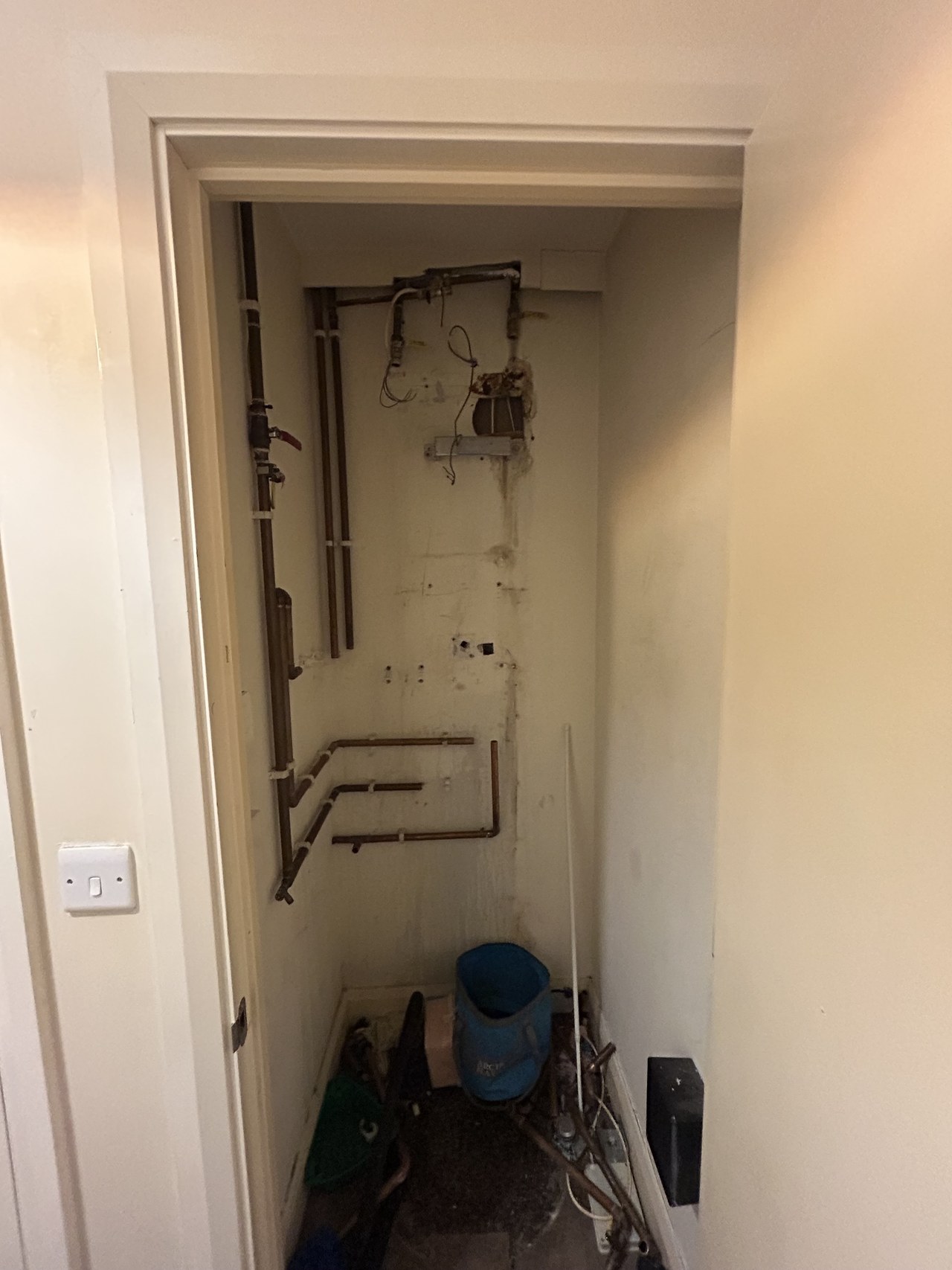
Check it actually needs replacing first
This is the most useful paragraph in this guide and it argues against us doing a larger job.
The classic symptom that gets a unit condemned is poor hot water. The classic cause of poor hot water is a strainer full of debris off the building's system, which restricts the flow and stops the heat exchanger doing its work. That is a service, not a replacement.
Scale on the plate heat exchanger produces the same symptom, and in hard water areas it is common. Again, not a replacement.
If somebody has quoted you for a new unit without cleaning the strainers and checking the exchanger first, it is worth a second opinion before spending four figures.
Why labour and unit are priced separately
Because you do not usually get to choose the unit freely. Most developments have a list of makes and models the building will accept, partly for parts and servicing consistency and partly because the unit has to match the network's design conditions.
So the honest way to price it is to quote the labour as a fixed figure, which we can do because the work is predictable, and to price the unit and materials once the make and model are settled with whoever manages the building.
£750 is the labour. Quoting a single all-in number before knowing the unit would mean either padding it to cover the worst case or revising it later, and both are worse for you.
What the labour covers
Isolating the flat from the riser, taking the old unit off, covering the area and protecting the cupboard and floor. New pipework where it is needed, because the connections on a new unit rarely land exactly where the old ones did.
Fitting the unit, cleaning or replacing strainers, filling and pressure testing the system. Then commissioning it against the building's flow temperature, which is the step that is most often skipped and most often the reason a brand new unit does not give the hot water it should.
And setting the controls up and going through them with you before leaving.
Questions to ask before you commit
Ask the managing agent which units the building accepts, before anything is ordered. This single question prevents the most expensive version of this job, which is fitting a unit the building then objects to.
Ask whoever is quoting whether they have cleaned the strainers and checked the exchanger. If not, that is the cheaper thing to try first.
Ask whether the quote includes commissioning against the building's flow temperature, and what happens if the hot water is still poor afterwards.
The hidden costs worth asking about
The labour and the unit are the two obvious numbers. Three others turn a straightforward job into a dearer one, and all three are knowable in advance.
Pipework alterations. The connections on a new unit rarely land exactly where the old ones did, particularly if the replacement is a different make. Some alteration is normal and is covered in the labour; a wholesale re-route because the new unit is a different size is not the same job.
Access and isolation. If the isolation valves serving your flat are seized, or are in a communal cupboard somebody has to be arranged to open, that is time. It is also the single most common reason a replacement that should be a day becomes two.
Commissioning against the building's flow temperature. This is the step that gets skipped, and it is the reason a brand new unit sometimes gives disappointing hot water. If a quote does not mention it, ask.
What is usually not an extra: the strainers, which should be cleaned or replaced as part of fitting, and pressure testing, which is not optional.
Ask for the quote to separate labour, unit, materials and anything conditional. A quote that is one number with no breakdown is a quote you cannot compare with another one.
On the facts in this guide. How a heat interface unit works is described here from the plate heat exchanger principle common to every make. Anything that would differ between manufacturers, including error codes, set pressures and service intervals, is deliberately not stated as a number: check your own unit's manual or ask whoever manages the building.
Questions people ask
What is the total cost, labour and unit?
We quote £750 labour and the unit and materials separately once the make is settled with the building. We will not guess at a unit price before knowing which unit, because that number would be fiction.
Can I supply my own unit?
Sometimes, if the building accepts the model. Ask the managing agent first, because fitting a unit they will not accept is the worst outcome available.
How do I know it is not just the strainer?
You often do not without someone looking, which is what the £140 diagnostic call-out is for. It is the cheaper thing to establish first.
How long does a replacement take?
It is a day's work in most flats, assuming access and that the unit is on site. Pipework alterations and awkward cupboards extend it.
Will my heating be off?
During the work, yes. We isolate the flat from the riser, and it is back on before we leave.
Is it cheaper to repair or replace?
Almost always repair, unless the exchanger has failed or the unit is genuinely obsolete and parts are not available. The £140 diagnostic exists to answer that question before you spend four figures on the assumption.
Do I need the managing agent's permission?
Usually, and they often have a list of units they will accept. Ask before anything is ordered: fitting a unit the building then objects to is the most expensive version of this job.
Will a new unit definitely fix poor hot water?
Only if the unit was the cause. If the cause is the building's flow temperature or a problem on the riser, a new unit will perform exactly as the old one did, which is why diagnosing first matters more here than almost anywhere else.
Do you replace units for landlords and agents?
Yes. If several units in a block are at the end of their life it is worth looking at them together, because the access and isolation work that makes a single replacement a day is largely shared when they are done in sequence.
Call us for your instant no-obligation quote
Tell us what needs doing and we will tell you what it takes. No obligation, and nothing starts until you have agreed the price.
Get in touch
Tell us what is happening and where the property is. A photo of the unit, the fault code or the leak answers more than a paragraph does.
The plumber was really good. He fixed the HIU that was leaking. Now it doesn’t leak anymore, and everything works perfectly. He did a great job!
Good HIU service, knows his staff well and very quick and the gentleman even helped fixed error code on ambiente heating system, which was not part…